What Is Amateur Radio?

Amateur radio, or ham radio, is two-way radio as a hobby: from home you can talk to other continents, and through satellites. In the UK it starts with one exam.

Try a Question · Foundation Guide

On the Air
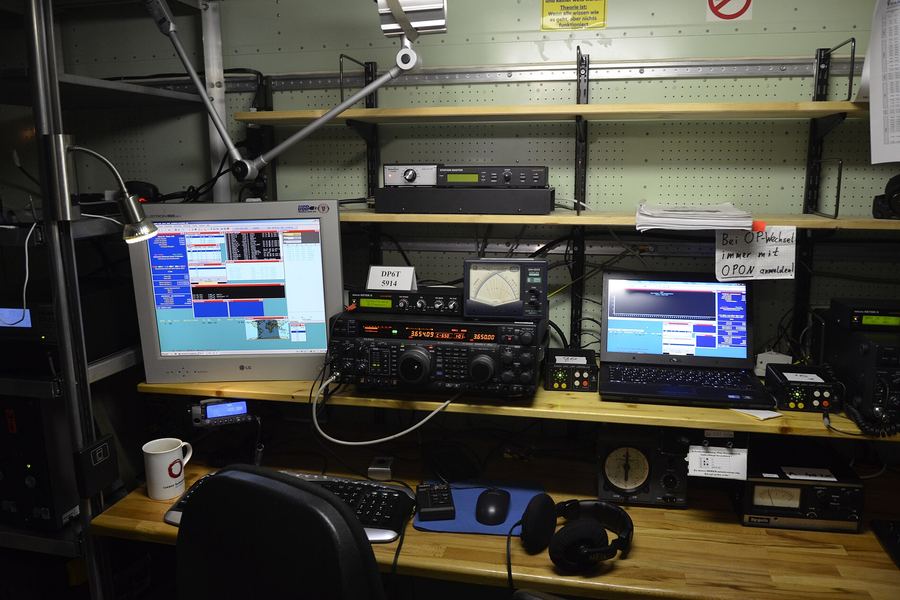
A desk of radios, monitors showing logging software, a desk lamp and headphones
A contest station: radios, logging screens and headphones. Ptolusque, CC BY-SA 4.0
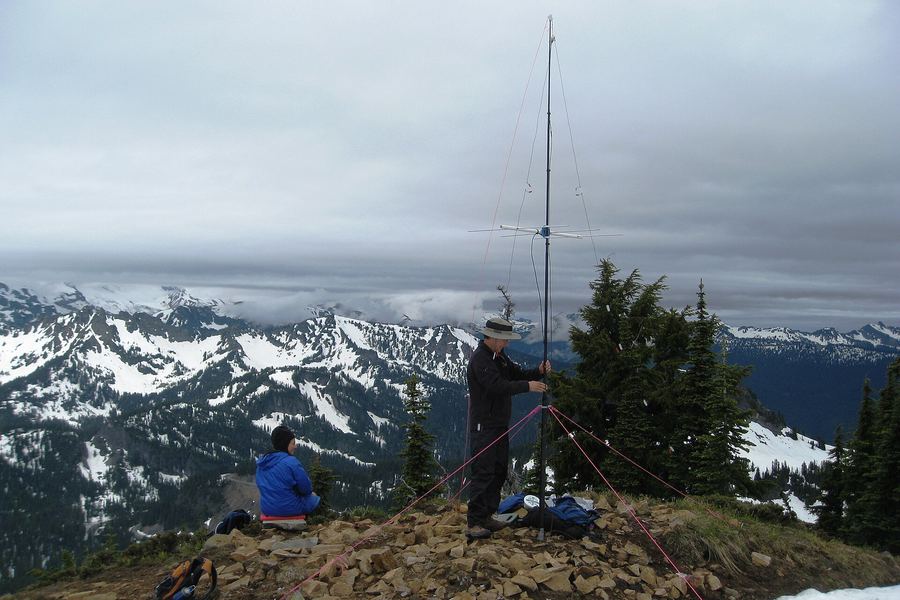
An aerial mast going up on a rocky summit above snow-capped mountains
Putting up a 2 m and 6 m aerial on a mountain. brewbooks, CC BY-SA 2.0
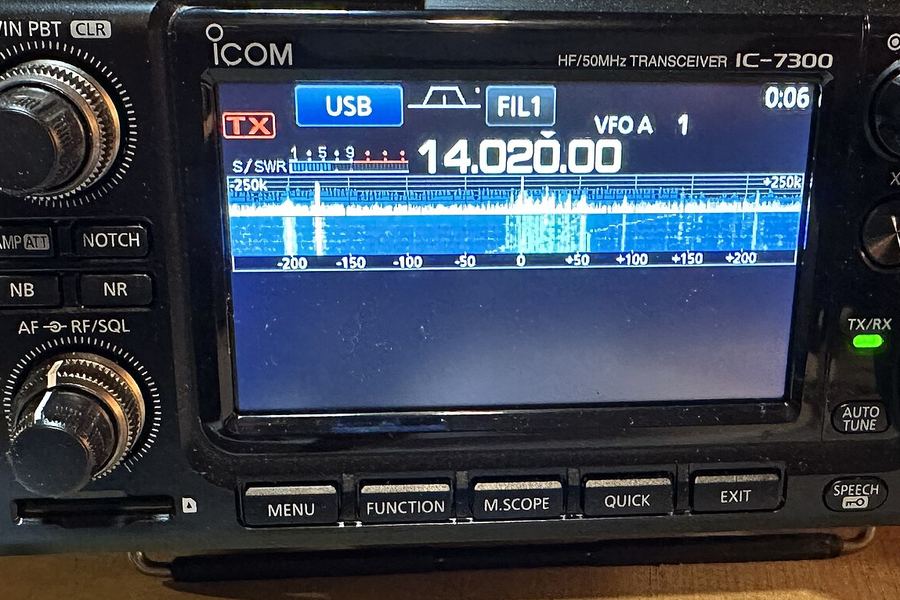
An HF radio's screen showing signals as bright streaks on a waterfall display
Signals on an HF radio's waterfall display during a Morse contest. ArnoldReinhold, CC BY 4.0
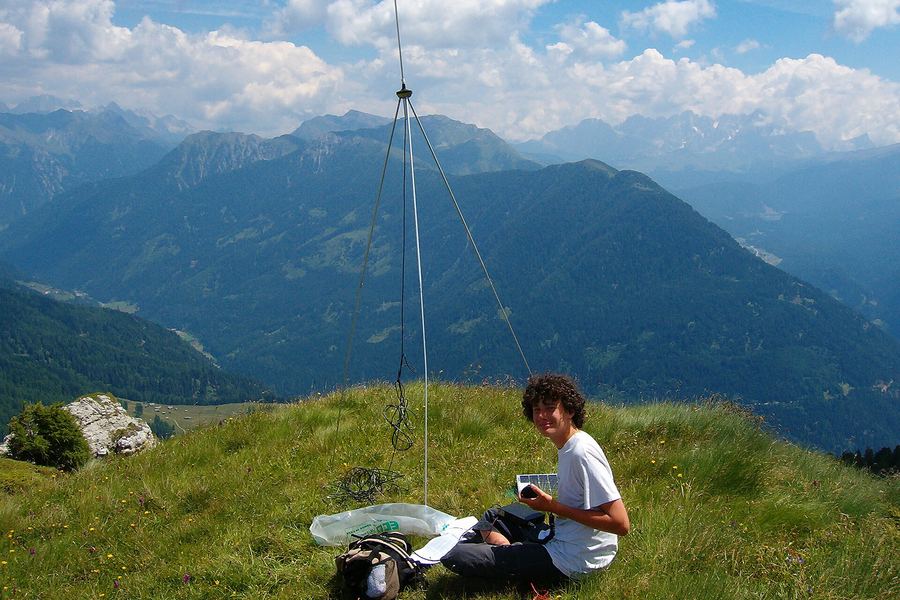
An operator sitting on a grassy mountainside beside a vertical aerial, with mountains behind
Operating portable from a mountain meadow. Giacomo Zorzi, CC BY-SA 3.0
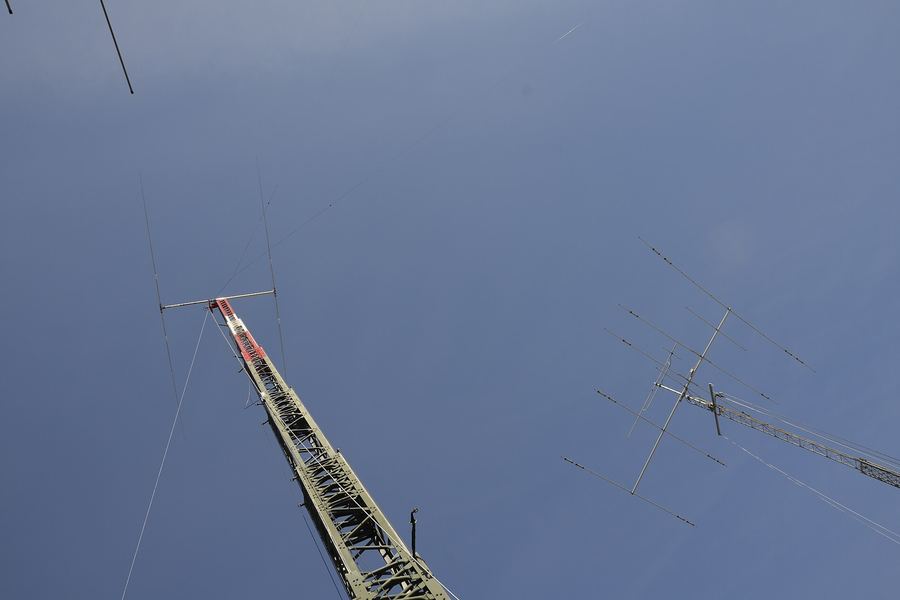
A lattice tower with beam aerials, seen from below against a blue sky
Beam aerials on a contest station's tower. Ptolusque, CC BY-SA 4.0
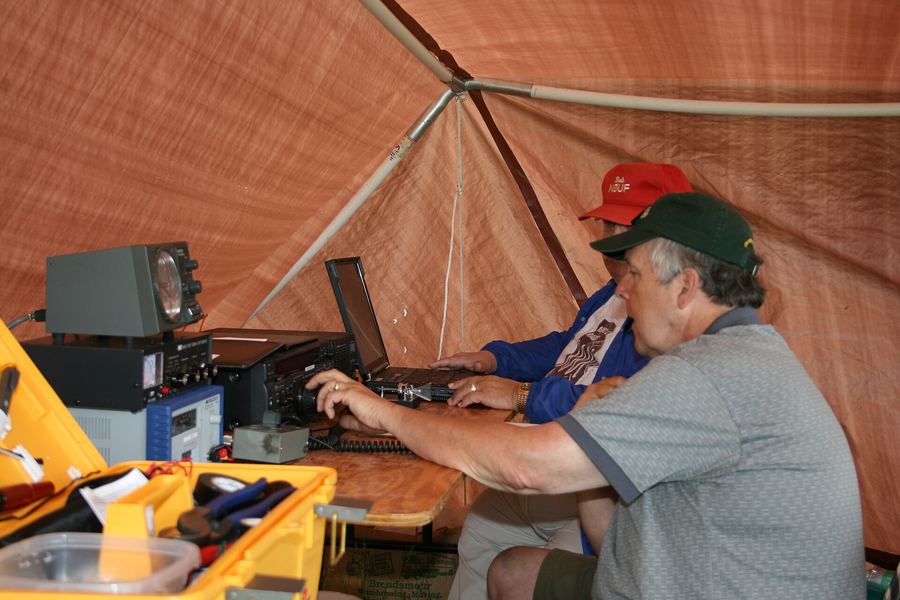
Two operators at radios and a laptop in a tent
A club's field day station, in a tent at an airfield. davef3138, CC BY-SA 2.0

Some photos cropped or edited.

What You Can Do

Can I listen without a licence?

Yes. Anyone can listen to the amateur bands on a scanner or handheld, or in your browser on a WebSDR receiver.

RSGB, Becoming a radio amateur FAQ.

Do I need to learn Morse code?

No. The exam is multiple choice, and Morse is a mode you can learn if you want to.

RSGB, Foundation Licence; the Foundation syllabus.

So Much to Explore
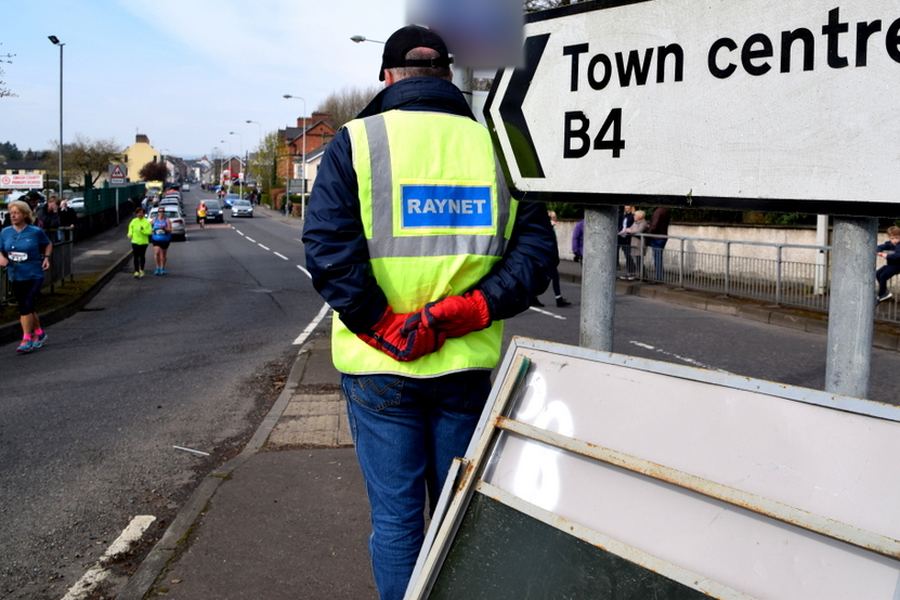
A RAYNET volunteer in a hi-vis vest at the roadside during a half marathon
Charity events and emergencies Use your radio to help your community with RAYNET-⁠UK, at public events and in emergencies. Kenneth Allen, CC BY-SA 2.0
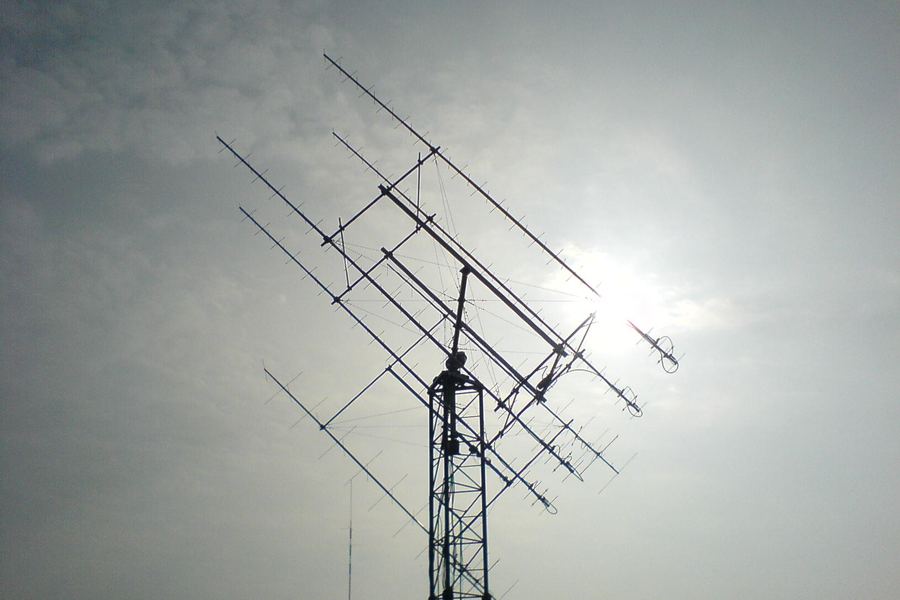
An array of crossed Yagi aerials on a lattice mast against a bright sky
Build your own aerials Anything from a wire dipole in the garden to arrays like this one. Olivier Chatelain, CC BY-SA 3.0
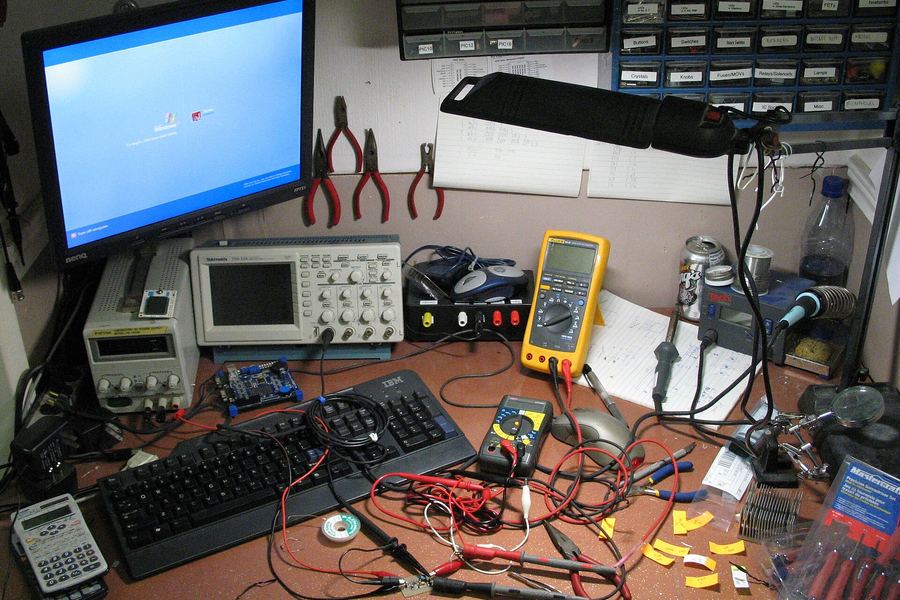
A workbench with an oscilloscope, a multimeter, a soldering station and wires
Electronics Learn how radios work by building them, and keep going as far as you like. James Bastow, CC BY-SA 2.0
The International Space Station above the blue Earth, its solar panels spread wide
Space Talk to astronauts on the space station, and work satellites as they pass over. NASA, public domain
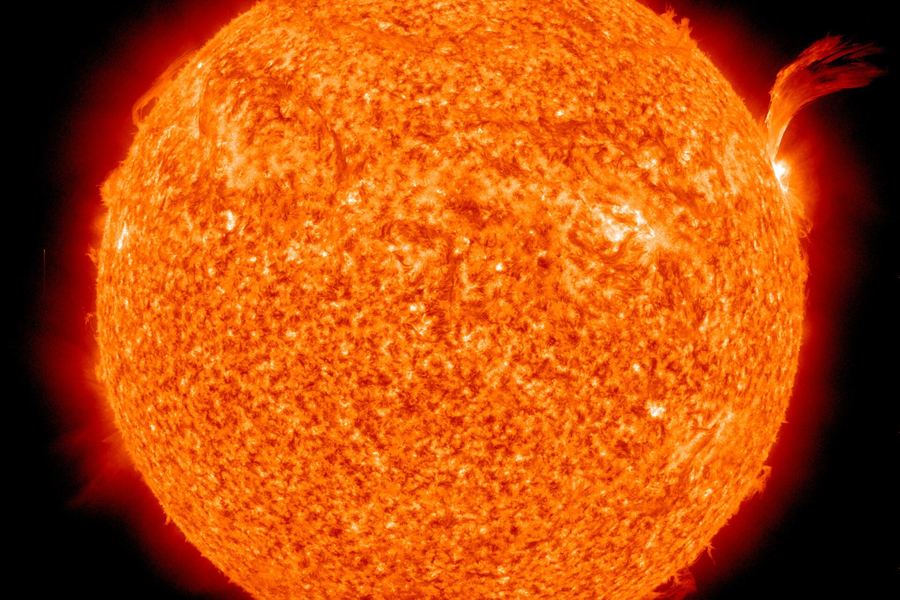
The Sun in ultraviolet, orange and textured, with a prominence on its edge
The physics Radio is physics you can hear, and every contact is an experiment. NASA Goddard Space Flight Center, public domain
A green aurora curling across the night sky over snow
The sky The Sun and the aurora change the bands from one day to the next. US Air Force, Joshua Strang, public domain
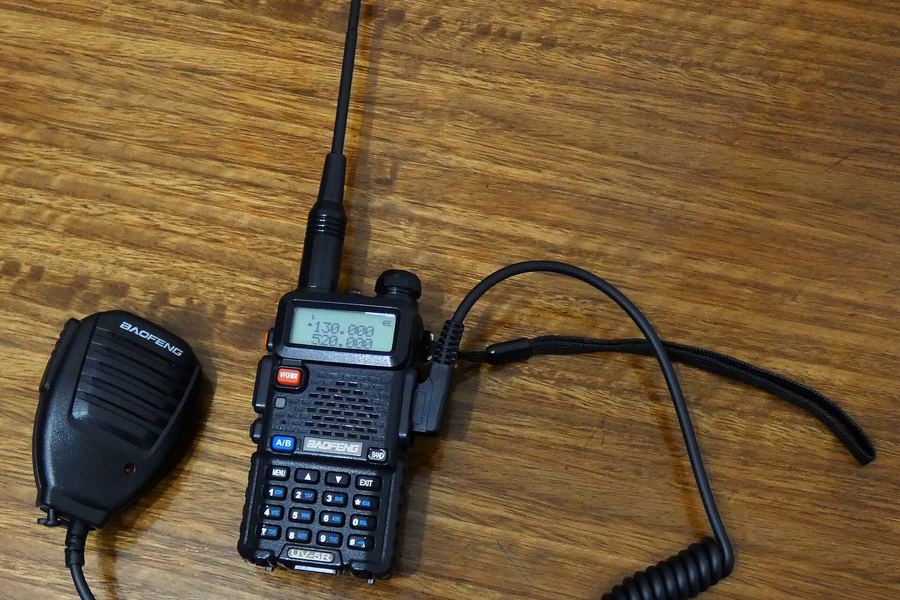
A Baofeng UV-5R handheld with a speaker microphone on a wooden table
Low cost to start A handheld costs less than £30, and listening online is free. Gustavo Belemmi, CC BY-SA 4.0
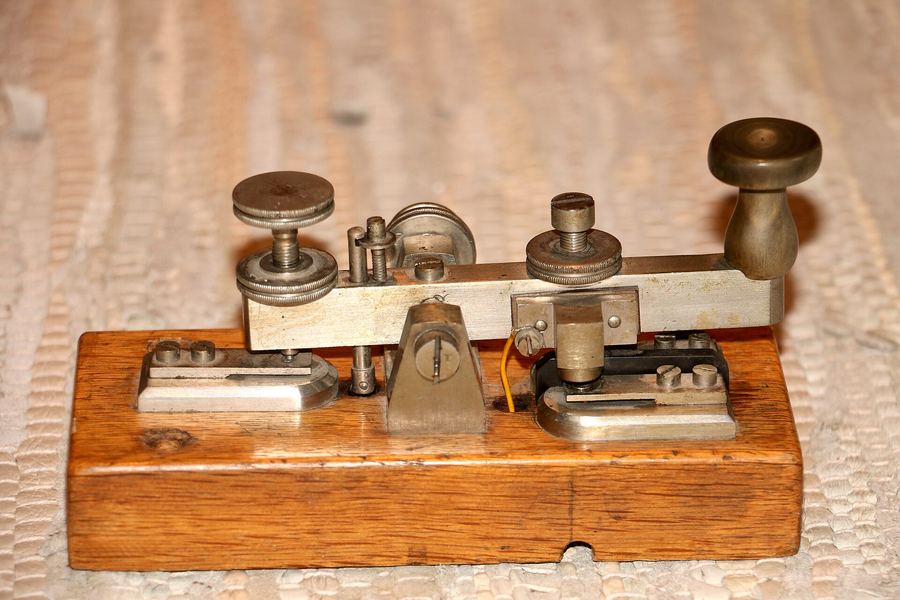
An old brass Morse key on a wooden base
Morse code Still on the air every day, sent and read by amateurs all over the world. Hp.Baumeler, CC BY-SA 4.0
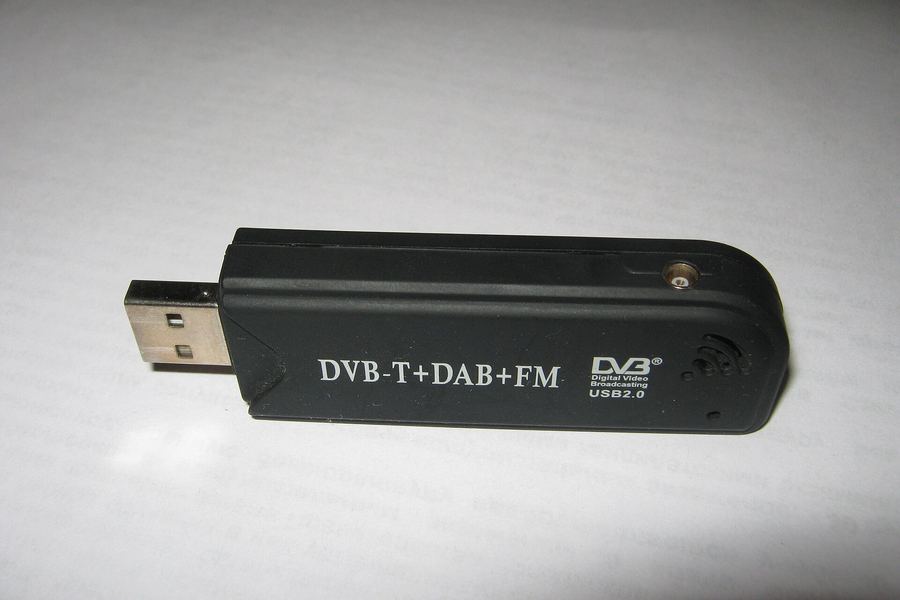
A black USB TV dongle of the kind used as an RTL-SDR receiver
Software-defined radio Radios built in software: see the signals around you, then decode them. Konstantin Kudinov, CC BY-SA 4.0
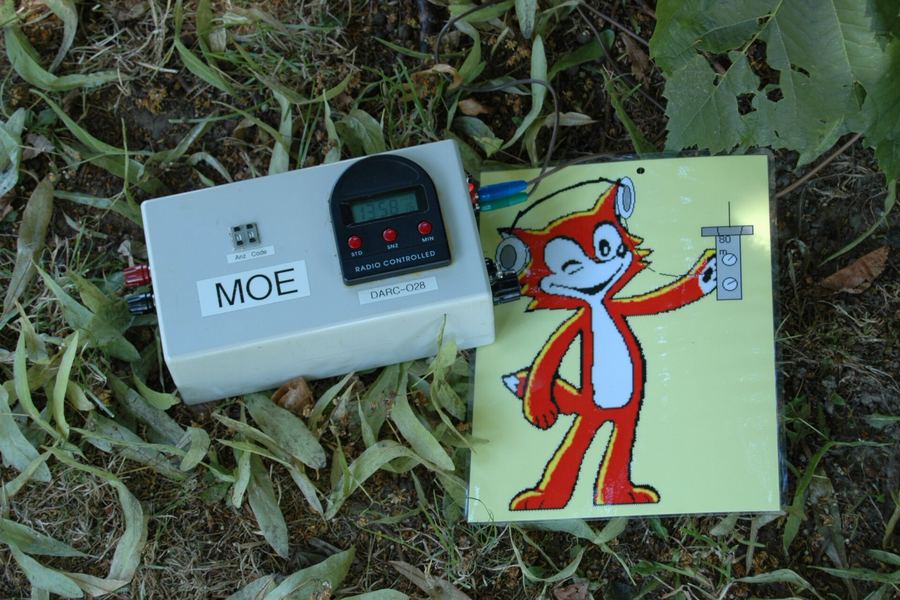
A small transmitter box and a fox drawing in the grass, used for a direction-finding hunt
Radio direction finding Hunt hidden transmitters across country, on foot and against the clock. Axel Schwenke, CC BY-SA 2.0
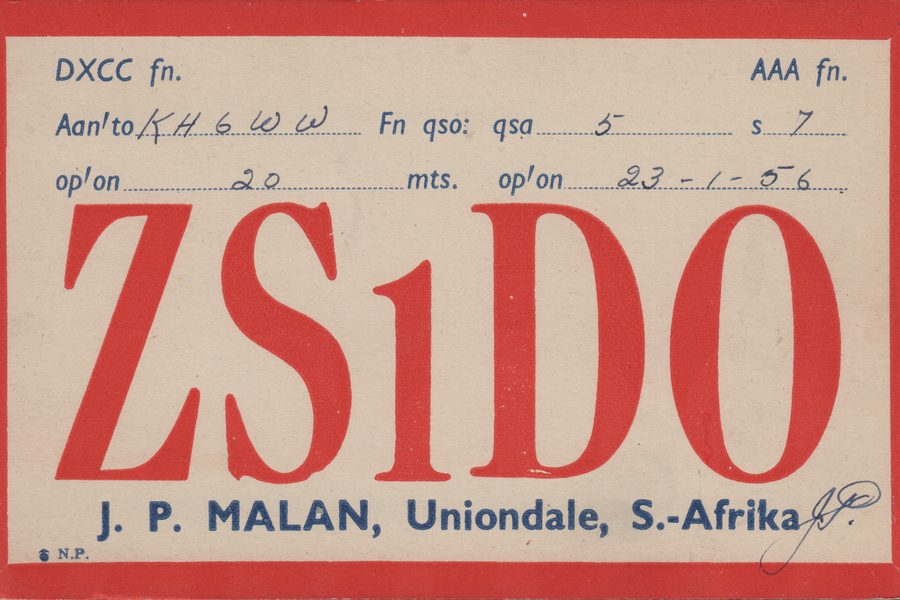
A red QSL card from ZS1DO in South Africa, 1956
QSL cards Swap cards with the stations you reach, from all over the world. J. P. Malan, public domain
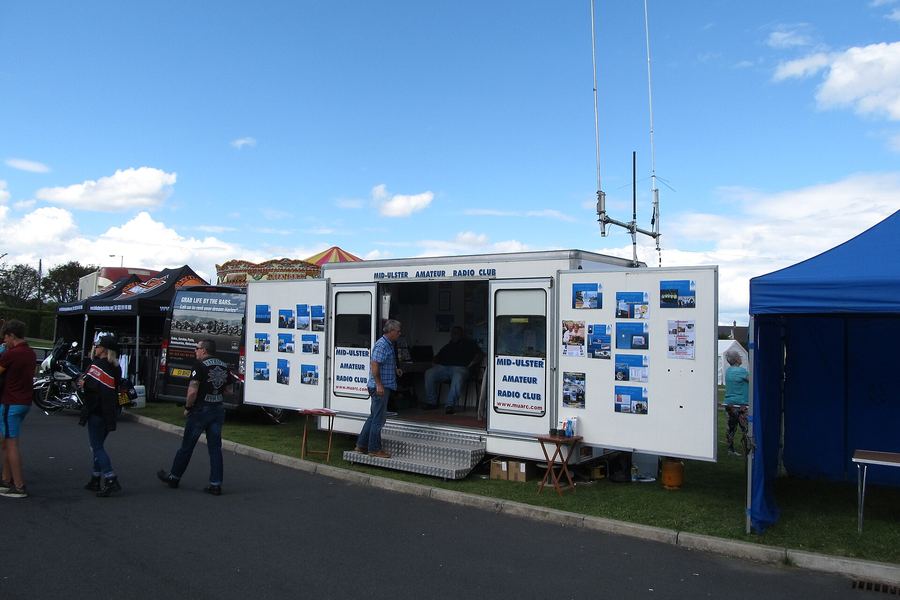
A radio club's display trailer with aerials at an outdoor event in a park
Clubs The meeting point for amateurs in your area, and a friendly way in. Eric Jones, CC BY-SA 2.0

Some photos cropped or edited.

Get Your Licence

  1. Practise: Free mock exams and practice questions on every section of the Foundation syllabus.
  2. Book the Foundation exam: £35.50 from the RSGB. Under 21, in full-time education and need help with the fee? The Radio Communications Foundation can pay it. Sit it online at home or at a club.
  3. Pass: 26 multiple-choice questions in 60 minutes, and 19 right is a pass. 89.1% of candidates passed in 2025.
  4. Apply to Ofcom: Free online. Choose your call sign, print your licence and get on the air.

Try a Question · Foundation Guide

More Guides

CB Radio · PMR446 · Emergency Radio · Your First Radio · Licence Rules